Hawaii has its own set of regulations and requirements regarding vehicle inspections. Drivers in this state need to understand the regulations to remain compliant with local laws. While Hawaii doesn’t have an emissions testing program like some states, it does require vehicles to annually undergo safety inspections. This guide will cover everything you need to know about vehicle safety inspections in Hawaii, including what to expect during the inspection, which vehicles require a Vehicle Identification Number (VIN) inspection, and how to keep your car in the best shape all year.
Overview
Hawaii’s vehicle inspection program promotes vehicle safety on the road. The state mandates annual safety inspections to evaluate critical vehicle components and confirm your car is functioning correctly. These inspections are required for all registered vehicles in Hawaii, whether a car, truck, motorcycle, or trailer. Completing your vehicle inspection on time is not only necessary to remain compliant with state laws, but it also helps identify potential issues early on.
If you’re looking for a reliable place to inspect your vehicle, schedule an appointment for state vehicle inspections at an authorized location to streamline the process. This guide will walk you through the specifics of Hawaii’s vehicle inspection requirements to help you understand what to expect and how to prepare.
Hawaii Vehicle Safety Inspections
Hawaii requires all motor vehicles to pass a safety inspection annually. This comprehensive inspection checks your vehicle’s systems to verify they meet the state’s safety standards. During a Hawaii safety inspection, the following items are typically evaluated:
- Brakes: Inspectors will check the functionality of your vehicle’s braking system, including brake pads, rotors, and the parking brake.
- Lights: The headlights, brake lights, turn signals, and tail lights will be examined to ensure that they are working correctly.
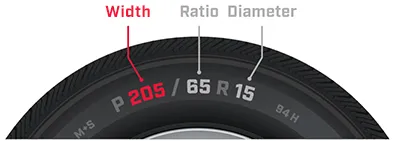
- Tires and Wheels: Tires must have sufficient tread depth and be free from cracks or damage. Inspectors also check for proper inflation and alignment.
- Windshield and Mirrors: Inspectors will check your windshield for cracks, chips, or any visual obstructions and confirm all mirrors are securely in place and provide adequate visibility.
- Steering and Suspension: The steering system and suspension components, such as ball joints, bushings, and shocks, will be inspected for proper functionality.
- Exhaust System: The exhaust system is examined to check for any leaks and confirm it is functioning as designed.
- Seat belts: Inspectors will check that all seat belts are in working condition and meet the manufacturer’s specifications.
- Horn: Your vehicle’s horn must be loud enough to be heard from a safe distance.
After passing the inspection, you will receive a certificate of compliance, valid for one year. This certificate must be displayed on your vehicle as proof that your car meets Hawaii’s safety standards. If your vehicle fails the inspection, you will be given a detailed report of the issues that need to be fixed before your vehicle can pass. Then, you must schedule a re-inspection to ensure compliance. Driving with an expired safety check in Hawaii is illegal and can result in various penalties.
Hawaii Emissions Testing
Hawaii does not have a statewide emissions testing requirement, unlike some states with car inspections that require emissions testing as part of their programs. Hawaii vehicle inspections focus solely on the safety of your vehicle and do not evaluate emissions levels. However, keeping your vehicle’s emissions system in good condition is still important for environmental and performance reasons. Regular exhaust system maintenance and inspections can reduce your vehicle's environmental impact and promote efficiency.
If you're moving from a state requiring emissions testing or considering buying a used car that has been out of state, it’s advisable to have your vehicle’s emissions system checked to ensure it’s in good working order.
VIN Inspections in Hawaii
Hawaii mandates VIN inspections for certain vehicles, typically those brought in from out of state, vehicles that have been rebuilt, or when the vehicle’s VIN is in question or does not match its title or registration. The purpose of a VIN inspection is to verify the vehicle’s identity and confirm it has not been stolen or tampered with.
During a VIN inspection, the inspector will verify the VIN on your vehicle matches the VIN recorded on the vehicle’s documents. The process usually takes a few minutes and can be done at authorized inspection stations throughout the state. If you need a VIN inspection, check with your local inspection station or the Department of Motor Vehicles office to determine where to go and what documentation you must bring.
Vehicle Service and Inspection Solutions
While Hawaii’s state inspection requirements are relatively straightforward, keeping your vehicle in top condition all year may require additional services. Regular maintenance, such as oil changes, tire rotations, and brake checks, can help extend the life of your vehicle and reduce the likelihood of unexpected issues. You can take advantage of comprehensive vehicle evaluations beyond state-mandated checks at authorized service centers like those that offer car inspection services.
These professional inspections assess your vehicle’s overall health and help identify any concerns that might not be addressed in a standard safety inspection. Scheduling routine maintenance and service appointments promotes your vehicle’s reliability, longevity, and performance and helps create a safer, more enjoyable driving experience. If you’re looking for a car inspection near you or additional vehicle services, Pep Boys can provide the expertise and solutions you need.
Wrapping Up
Understanding Hawaii’s vehicle inspection requirements is key to maintaining compliance and keeping your vehicle operating at its best. While Hawaii’s inspection program focuses mainly on safety, it’s a good idea to include additional services and maintenance checks as part of your vehicle care routine. This proactive approach helps maintain performance and may reduce the chances of unexpected repairs down the road.
For drivers who travel frequently or have recently moved to Hawaii, it’s important to verify your vehicle’s status and stay up-to-date with necessary inspections and requirements. Scheduling a service appointment at an authorized service center is an excellent way to help keep your vehicle in optimal condition.
If you plan to have your vehicle inspected or need to verify compliance with other state regulations like Maryland, visit our Maryland vehicle inspection page, or find other state inspection information here.