Properly inflating your tires helps achieve better vehicle performance, fuel efficiency, and safety. The Tire Pressure Monitoring System (TPMS) was developed to provide real-time monitoring and alert drivers when tires are underinflated. Driving with underinflated tires can cause issues such as decreased fuel efficiency, uneven tire wear, and reduced vehicle handling. Understanding how TPMS works can help drivers recognize its benefits and maintain their vehicle's tire health more effectively.
Types of TPMS: Direct vs. Indirect
Two primary types of TPMS exist: direct and indirect. Each system uses different technology to monitor tire pressure and alert drivers to potential issues.
Direct TPMS sensors are installed directly into each tire. These sensors measure the air pressure inside the tire and transmit the data to the vehicle's onboard computer system. Direct TPMS provides accurate, real-time readings and alerts the driver when tire pressure drops below a specified level.
Indirect TPMS operates differently. Instead of measuring the actual tire pressure, it relies on the anti-lock braking system (ABS) sensors to detect changes in wheel rotation speed. If a tire becomes underinflated, its diameter decreases, causing it to rotate faster than properly inflated tires. The system detects this discrepancy and triggers a warning light on the dashboard.
If you're interested in understanding your TPMS sensors or need a replacement, explore TPMS sensors available at Pep Boys.
How Direct TPMS Works
Direct TPMS consists of several key components that work together to provide accurate tire pressure readings:
- Sensors: Each tire has a sensor attached to the valve stem or mounted inside the tire, which continuously monitors tire pressure and temperature.
- Data Transmission: The sensors wirelessly send pressure data to the vehicle's onboard computer through radio frequency, allowing real-time data transfer.
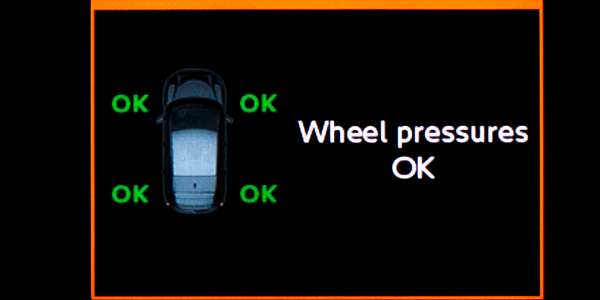
- Dashboard Display: When a tire's pressure drops below a set threshold, the system activates a warning light on the dashboard, alerting the driver to check the tires.
The direct system's ability to provide precise readings and specific tire locations makes it a reliable choice for many vehicles.
How Indirect TPMS Works
Indirect TPMS relies on the vehicle's ABS wheel speed sensors to monitor tire pressure. Here's how it functions:
- ABS Wheel Speed Sensors: The ABS sensors measure the rotational speed of each wheel. An underinflated tire has a smaller diameter and will rotate faster than a properly inflated tire.
- Computational Analysis: The onboard computer compares the rotational speed of all four wheels. If a discrepancy is detected, indicating a difference in tire pressure, the system activates the TPMS warning light.
- Calibration Requirements: Indirect TPMS often requires manual recalibration after tire rotations, changes, or inflation adjustments to reset the baseline data used for comparison.
While indirect TPMS is cost-effective and easier to maintain, it is less precise than direct TPMS since it doesn't measure the air pressure inside the tires. Understanding how each system works can help you choose the best option for your vehicle.
Benefits of Using TPMS
Tire Pressure Monitoring Systems provide several advantages that promote better driving and vehicle care:
- Increased Safety: By alerting drivers to low tire pressure, TPMS helps reduce the risk of potential hazards associated with underinflated tires, such as reduced braking performance and poor handling.
- Improved Fuel Efficiency: Proper tire inflation promotes better fuel economy. Even a slight drop in tire pressure can increase rolling resistance, causing your vehicle to use more fuel.
- Extended Tire Life: Maintaining proper tire pressure reduces uneven tire wear, extending the lifespan of your tires and saving money in the long run.
For more information on why your TPMS light might be on, check out the Pep Boys guide on TPMS lights.
How to Address Common TPMS Issues
Tire Pressure Monitoring Systems are valuable tools, but like any technology, it can sometimes encounter issues. Here are three common TPMS problems and solutions:
- Sensor Malfunctions: TPMS sensors are battery-operated and can fail over time. If a sensor malfunctions, it may need to be replaced.
- Signal Interference: Sometimes, electronic devices or radio frequencies can interfere with the TPMS signal. If you receive a TPMS warning without a visible tire issue, consider having the system checked by a professional.
- Calibration Issues: Indirect TPMS may require recalibration to reset the system's baseline measurements after changing or rotating tires. Follow your vehicle's owner manual for recalibration instructions, or visit a Pep Boys service center.
If you're experiencing TPMS problems, scheduling an auto repair at Pep Boys can help resolve these issues effectively.
TPMS and Seasonal ChangesSeasonal temperature changes can affect tire pressure. As temperatures drop, the air inside your tires contracts, potentially causing the TPMS warning light to illuminate. Conversely, warmer temperatures can increase tire pressure.
Key Considerations During Seasonal Changes:- Regular Checks: Frequently check your vehicle's tire pressure to maintain optimal tire pressure during seasonal transitions.
- Prompt Adjustments: If the TPMS light comes on due to temperature changes, promptly adjust tire pressures to the recommended levels in your vehicle's owner manual.
TPMS helps drivers manage these fluctuations by providing timely alerts and promoting better tire maintenance throughout the year.
Consumer Considerations: Replacing or Upgrading Your Vehicle TPMSIf you're considering replacing or upgrading your TPMS, keep in mind these factors:
- Compatibility: Ensure that any aftermarket TPMS sensors are compatible with your vehicle's make and model. Incompatibility can lead to inaccurate readings or system malfunctions.
- Professional Installation: Proper installation is key to the effective functioning of TPMS. A professional technician should install or replace TPMS sensors to avoid errors.
Replacing or upgrading your TPMS can enhance your vehicle's safety and performance, especially when done professionally.
Get Professional TPMS Servicing at Pep BoysProper TPMS servicing is important for maintaining accurate tire pressure monitoring. The expert technicians at Pep Boys are equipped to handle all aspects of TPMS maintenance, from sensor replacement to system diagnostics. Regular TPMS checks and maintenance can avoid potential issues and help your vehicle run smoothly. They can also help with any AC repair issues you may face.
To schedule a service appointment for TPMS maintenance or checks, visit Pep Boys' roadside assistance near me or the auto repair page.