Please Enter the Vehicle Details:
Enter License Plate# to see Vehicle
Details.
Why Choose Pep Boys for Toyota Rav4 Tires?

Trusted tire brands like Michelin, Goodyear, Kumho & More
Professional wheel alignment & tire rotation services
Nationwide locations & online scheduling
Book Tire Installation Appointment for Toyota Rav4
Schedule Tire ServiceFREQUENTLY ASKED QUESTIONS
How do I know when I need new tires for my Toyota Rav4?
The best way to determine if your Toyota Rav4 needs new tires is by checking the tread depth, looking for uneven wear, and monitoring tire performance. You can use the tire penny test — insert a penny into the tread with Lincoln’s head facing down if you can see the top of his head, it''s time to replace your tires. Also, check your owner’s manual for specific tire replacement guidelines.
What is the recommended tire pressure for my Toyota Rav4?
The recommended tire pressure for your Toyota Rav4 can be found in your owner’s manual or on the driver’s side door jamb sticker. Maintaining the correct tire pressure ensures optimal handling, fuel efficiency, and tire longevity. Be sure to check tire pressure regularly, especially during temperature changes.
How long do tires last on a Toyota Rav4?
The lifespan of your Toyota Rav4’s tires depends on factors like driving habits, road conditions, and tire quality. On average, tires last between 50,000 and 70,000 miles. However, it''s recommended to check for wear regularly and replace them if you notice significant tread wear, cracks, or sidewall damage.
Can I use different tire sizes on my Toyota Rav4?
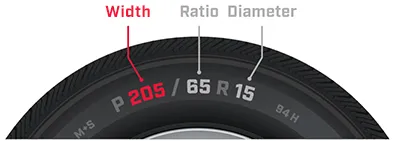
It''s important to use the manufacturer-recommended tire size for your Toyota Rav4, which you can find in your owner’s manual or the driver’s side door sticker. An incorrect tire size can affect handling, fuel efficiency, and performance. Consult a tire expert at Pep Boys for compatibility if you''re considering an alternative size.
How often should I rotate my Toyota Rav4 tires?
To ensure even wear and extend tire life, rotate the tires on your Toyota Rav4 every 5,000 to 7,500 miles. Check your owner’s manual for exact recommendations. Regular rotations help maintain even tread wear and improve handling and safety.